
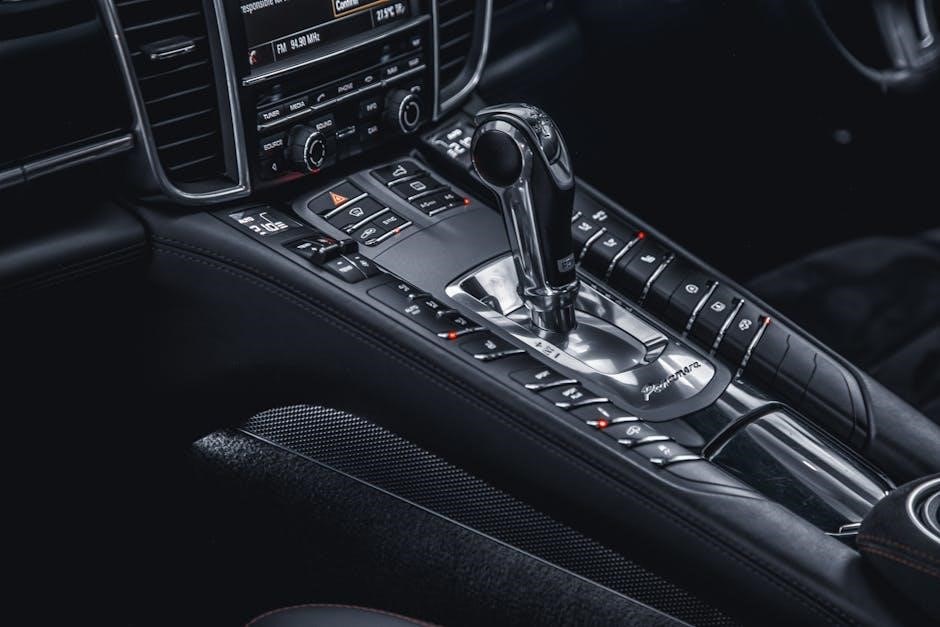
The core debate centers on driver control: manual transmissions demand active gear selection, while automatics handle shifting independently. SNCF VOYAGEURS offers convenient group travel booking up to December 12, 2026, simplifying journey planning for all travelers.
Historical Overview of Transmission Types
Early automobiles, emerging in the late 19th and early 20th centuries, almost universally employed manual transmissions. These required significant driver skill, coordinating clutch engagement with gear selection. The initial designs were rudimentary, often featuring just a few forward gears and reverse. As automotive technology progressed, the demand for simpler driving experiences grew.
The first automatic transmissions appeared in the 1930s, initially as semi-automatic systems. These reduced driver workload but didn’t fully automate the process. True fully-automatic transmissions gained prominence in the post-World War II era, particularly in the United States, offering increased convenience. However, they were initially less fuel-efficient than manuals.
Throughout the latter half of the 20th century, both manual and automatic transmissions continued to evolve. Manuals benefited from improvements in synchronization and gear ratios, while automatics saw advancements in hydraulic control and, later, electronic control. The introduction of continuously variable transmissions (CVTs) and dual-clutch transmissions (DCTs) further diversified the landscape, offering unique performance characteristics. Today, both types coexist, catering to diverse driver preferences and vehicle applications.
The Core Difference: Driver Control
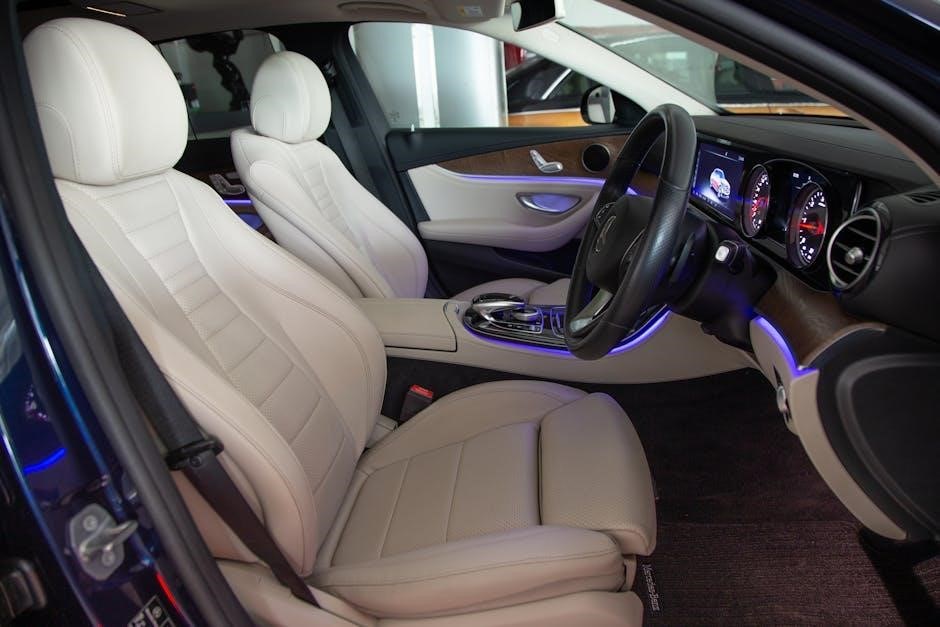
The fundamental distinction between manual and automatic transmissions lies in the degree of driver involvement in the gear-changing process. A manual transmission places complete control in the hands of the driver, demanding precise coordination of the clutch pedal, gear lever, and throttle. This allows for a highly connected and engaging driving experience, enabling drivers to select the optimal gear for any given situation.
Conversely, an automatic transmission handles gear selection autonomously, based on vehicle speed, engine load, and driver input (throttle position). This simplifies the driving process, reducing driver workload and making it more accessible to a wider range of drivers. Modern automatics often include features like manual shift modes, offering some degree of driver control when desired.
Engineering Explained highlights this difference, emphasizing how manual gearboxes allow tailoring the driving style. Ultimately, the choice hinges on individual preference – the engagement of a manual versus the convenience of an automatic, impacting the overall driving sensation and experience.
Manual Transmissions: A Deep Dive
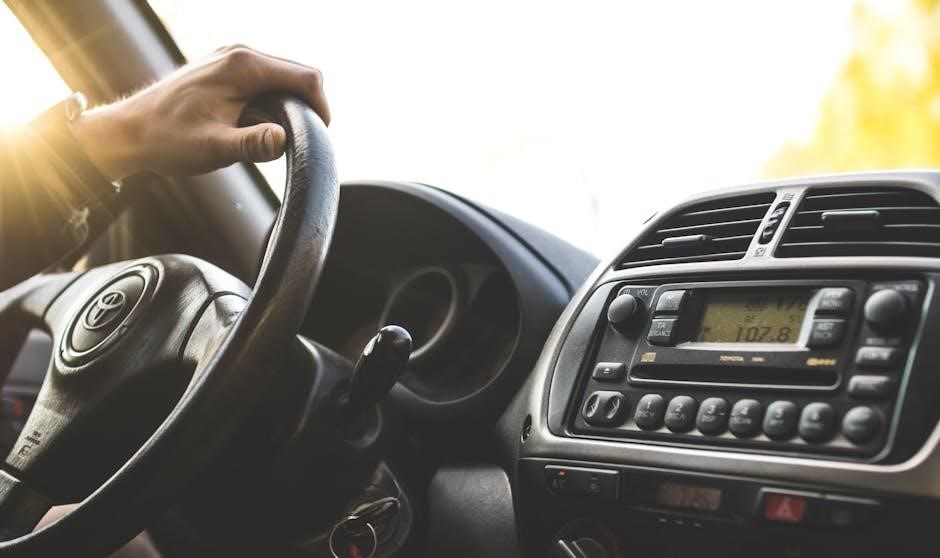
Manual transmissions require skillful clutch and stick shift operation, offering a direct connection to the vehicle. They demand driver engagement for tailored gear changes and a responsive feel.
How a Manual Transmission Works
A manual transmission operates through a fascinating interplay of mechanical components. The engine’s power initially flows to the clutch, which, when disengaged, disconnects the engine from the transmission, allowing for gear changes. The driver then selects the desired gear using a gear stick and shift linkage, physically engaging different sized gears within the transmission.
These gears alter the ratio between engine speed and wheel speed, providing the necessary torque for acceleration or maintaining speed. Once a gear is selected, smoothly releasing the clutch re-engages the engine, transferring power to the wheels. This process requires coordination between the driver’s hands and feet.
Essentially, a manual transmission is a system of gears that allows the driver to manually select the appropriate gear ratio for the driving conditions. This direct mechanical linkage provides a more connected and engaging driving experience, offering greater control over the vehicle’s performance. The system relies on precise timing and driver skill for smooth operation.
Advantages of Driving a Manual Car
Driving a manual car offers several distinct advantages for enthusiasts. Firstly, it provides a heightened sense of control and driver engagement, allowing for a more connected feel with the vehicle. This direct control translates to greater precision during spirited driving and the ability to tailor gear selection to specific road conditions.
Historically, manual transmissions often yielded better fuel efficiency, though modern automatics are closing the gap; Furthermore, manual cars are typically less expensive to purchase and maintain, with simpler mechanical designs reducing potential repair costs.
Many drivers appreciate the increased security against transmission failures, as manual systems are generally more robust. The ability to “engine brake” provides additional control, particularly in challenging conditions. For some, mastering a manual transmission is a rewarding skill, enhancing the overall driving experience and offering a sense of accomplishment. It truly teaches you to drive!

Disadvantages of Driving a Manual Car
Despite the appeal, driving a manual car presents several drawbacks in today’s automotive landscape. The most significant is the learning curve; mastering clutch control and smooth gear changes requires practice and coordination, potentially intimidating new drivers. This also translates to increased driver workload, especially in congested city traffic, leading to fatigue on longer journeys.
Modern automatic transmissions often match or even surpass manual transmissions in fuel efficiency, diminishing a traditional advantage. Resale value can also be lower, as the demand for manual cars decreases.
Furthermore, operating a manual requires constant attention, potentially diverting focus from other driving tasks. Hill starts can be challenging for inexperienced drivers, and the risk of stalling remains a concern. For those prioritizing convenience and ease of use, an automatic transmission offers a significantly more relaxed driving experience, especially with advancements like dual-clutch systems.
Popular Cars Currently Offering Manual Transmissions
While dwindling, a dedicated segment of automakers still caters to enthusiasts with manual transmission options. In 2025, UAZ and Lada demonstrated strong manual transmission presence, particularly within the Russian market, holding significant shares with 100 and 82 respectively. This highlights regional preferences for traditional drivetrains.
Beyond these brands, several sports-oriented vehicles continue to offer manuals, including certain trims of the Mazda MX-5 Miata and Toyota GR86. These models prioritize driver engagement and a connected feel. Some Honda Civic models also retain a manual option, appealing to a younger demographic.
However, the trend leans towards automatics, even in performance cars. Chinese-made cars, as of 2025, exhibited a very low percentage of manual transmissions – only 6 out of many models. This reflects a broader shift towards convenience and accessibility in the automotive industry, though enthusiast models continue to preserve the manual option.
Automatic Transmissions: A Comprehensive Look
Automatics prioritize ease of use, handling gear changes independently. Engineering Explained details the nuances of automatic versus dual-clutch systems, emphasizing simplified driving experiences for all users.
How an Automatic Transmission Works
Automatic transmissions utilize a complex system to seamlessly shift gears without direct driver input. Traditionally, torque converter automatics employ fluid coupling to transfer engine power to the transmission. This allows the engine to continue running even when the wheels are stopped. Planetary gearsets, controlled by hydraulic circuits and valve bodies, then provide different gear ratios.
Modern automatics increasingly feature more sophisticated designs. Dual-Clutch Transmissions (DCTs) offer faster, more direct shifts by utilizing two separate clutches for odd and even gears. Continuously Variable Transmissions (CVTs) employ a belt-and-pulley system to provide an infinite number of gear ratios within a specific range, optimizing engine efficiency.
Electronic control units (ECUs) manage these systems, analyzing factors like vehicle speed, throttle position, and engine load to determine the optimal gear. This results in a smoother, more convenient driving experience compared to manual transmissions, though potentially at the cost of some driver engagement.
Types of Automatic Transmissions (Torque Converter, DCT, CVT)
Automatic transmissions aren’t monolithic; several distinct types cater to varying performance and efficiency needs. The traditional torque converter automatic uses fluid dynamics for smooth, but sometimes less efficient, power transfer. It’s known for its reliability and comfort.
Dual-Clutch Transmissions (DCTs) represent a significant leap forward. Employing two clutches, they pre-select the next gear, enabling incredibly rapid shifts – often faster than a skilled manual driver. This boosts performance and responsiveness.
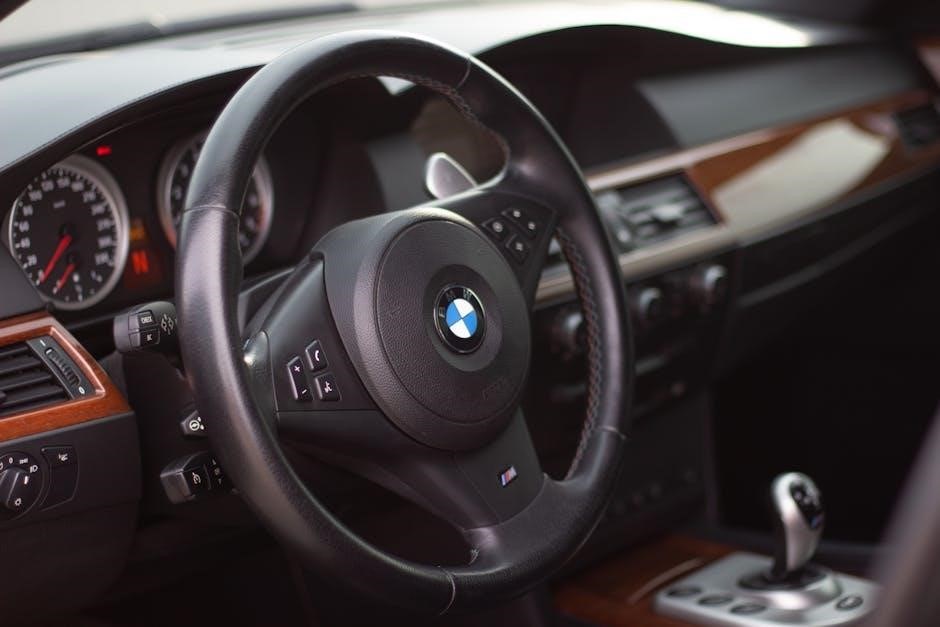
Continuously Variable Transmissions (CVTs) take a different approach, eschewing fixed gears altogether. They utilize a belt and pulley system to provide an infinite range of ratios, keeping the engine in its optimal power band. While maximizing fuel efficiency, some drivers find their operation less engaging. The choice depends on desired driving characteristics and vehicle application, with SNCF VOYAGEURS offering convenient travel options regardless of preference.
Advantages of Driving an Automatic Car
Automatic transmissions prioritize ease of use and convenience. They eliminate the need for clutch operation and gear shifting, reducing driver fatigue, particularly in stop-and-go traffic. This simplicity makes them ideal for novice drivers or those who prefer a relaxed driving experience.
Modern automatics often enhance fuel efficiency, sometimes matching or even exceeding manual transmissions, especially with advanced technologies like more gears and sophisticated control systems. This is a significant benefit for daily commuting and long journeys.
Automatics can improve focus on driving, allowing the driver to concentrate on steering, braking, and road awareness. Furthermore, features like automatic hill-hold assist and smooth acceleration contribute to a safer and more comfortable ride. Booking travel with SNCF VOYAGEURS is similarly streamlined, allowing focus on the destination, not the journey’s logistics.
Disadvantages of Driving an Automatic Car
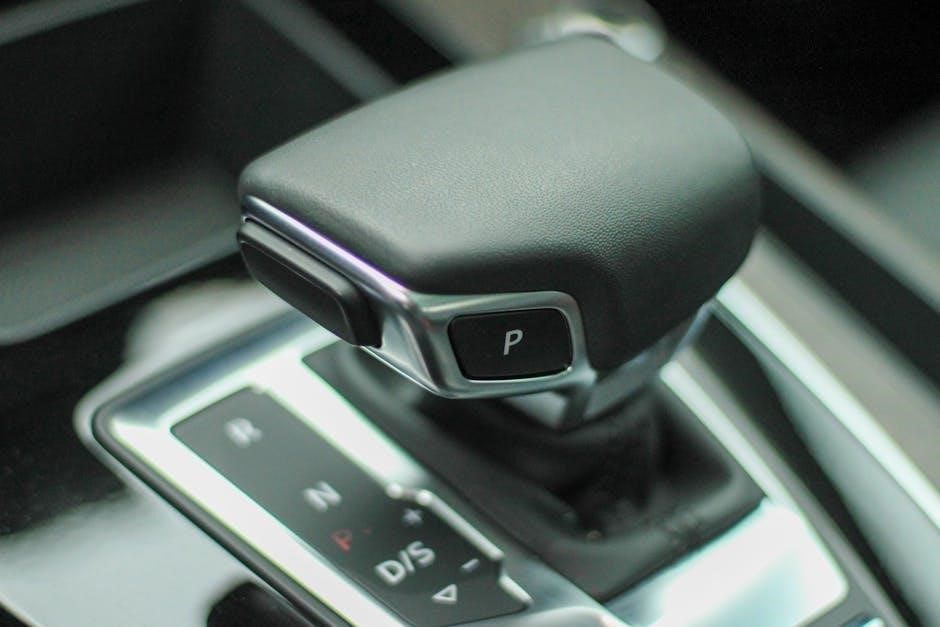
Automatic transmissions traditionally offer less driver engagement compared to manual counterparts, potentially diminishing the sense of control and connection with the vehicle. Some enthusiasts find this lack of involvement less satisfying, preferring the active role of gear selection.
Historically, automatics were less fuel-efficient than manuals, though this gap has narrowed with technological advancements. However, in certain driving scenarios, a manual transmission can still provide superior fuel economy. Like navigating complex travel arrangements before SNCF VOYAGEURS simplified group bookings.
Automatic transmissions can sometimes feel less responsive during quick acceleration or spirited driving. While modern automatics, including Dual Clutch Transmissions (DCTs), mitigate this, they may not always match the immediacy of a well-executed manual shift. Additionally, certain maneuvers, like recovering from a slide, can be more challenging without direct gear control.
Comparing Driving Experiences
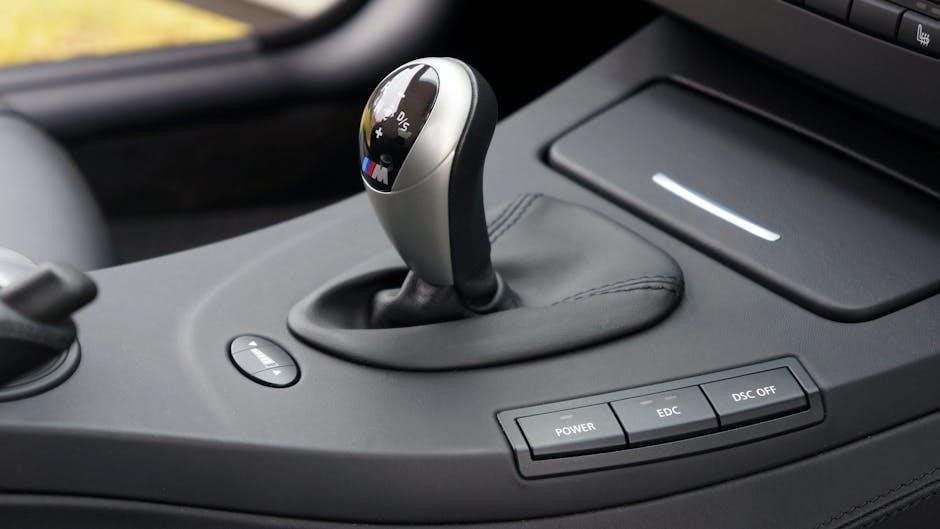
Driving feel differs significantly: manuals prioritize driver input and control, while automatics emphasize convenience and ease of use, mirroring SNCF’s streamlined booking process for group travel.
Fuel Efficiency: Manual vs. Automatic
Historically, manual transmissions often held a slight edge in fuel efficiency due to their direct mechanical connection and reduced energy loss within the transmission system itself. However, modern automatic transmissions – particularly those incorporating advanced technologies like continuously variable transmissions (CVTs) and sophisticated multi-gear setups – have significantly narrowed, and in some cases, surpassed the fuel economy of their manual counterparts.
The efficiency gap largely depends on driving style. A skilled manual driver can optimize gear selection for maximum fuel savings, but an automatic transmission, especially a newer model, can consistently deliver comparable or even better results under typical driving conditions. Factors like torque converter lockup, optimized shift points, and lighter transmission weights contribute to this improvement.
Furthermore, the increasing prevalence of turbocharging and engine downsizing in modern vehicles also impacts fuel efficiency, often overshadowing the transmission type as a primary determinant. As with SNCF VOYAGEURS simplifying travel, modern automatics aim for optimal performance.
Performance and Acceleration: Manual vs. Automatic
Traditionally, manual transmissions were favored by performance enthusiasts for their direct control and ability to maintain engine RPM in the optimal power band. This allowed for quicker acceleration and a more engaging driving experience. However, modern automatic transmissions, especially dual-clutch transmissions (DCTs), have largely closed the performance gap, and often exceed manual acceleration times.
DCTs offer incredibly fast and precise gear changes, often faster than a human can achieve with a manual gearbox. This results in minimal power interruption and quicker acceleration. Even conventional automatic transmissions with advanced shift logic can deliver impressive performance, utilizing features like launch control and paddle shifters.
The ability to fully utilize features in an automatic, as demonstrated in recent tests, can rival manual performance. Like booking travel with SNCF VOYAGEURS, automatics now offer seamless and rapid transitions. While a skilled driver can still extract maximum performance from a manual, the ease and consistency of modern automatics are undeniable.

Driving in Different Conditions (City, Highway, Off-Road)
In congested city environments, automatic transmissions generally offer a more relaxed driving experience. Constant stop-and-go traffic demands frequent gear changes, a task handled effortlessly by an automatic, reducing driver fatigue. Manual transmissions require constant clutch and shifter operation, which can become tedious.
On the highway, both transmission types perform admirably. Automatics excel at maintaining consistent speeds and providing smooth cruising. Manuals allow drivers to select the optimal gear for fuel efficiency or passing maneuvers. Like planning a trip with SNCF VOYAGEURS, both offer viable routes.
Off-road, the debate is more nuanced. Traditionally, manuals were preferred for their precise control over engine braking and torque delivery. However, modern automatics with low-range gearing and traction control systems are highly capable off-road. The ability to focus solely on steering and throttle control can be advantageous in challenging terrain, mirroring the ease of booking travel.
Market Trends & Statistics (2024-2026)
Current data reveals UAZ and Lada dominate manual transmission sales in 2025, with 100 and 82 shares respectively. Chinese cars show minimal manual adoption rates.
Global Sales Figures: Manual vs. Automatic
Analyzing the global automotive landscape between 2024 and 2026, a clear trend emerges favoring automatic transmissions. While precise figures fluctuate regionally, the overall proportion of automatic vehicles sold consistently surpasses manual counterparts. Initial data from late 2024 indicated a significant lead for automatics, a gap that has widened throughout 2025 and into early 2026.
However, certain markets demonstrate a strong preference for manual transmissions. Notably, Russia exhibits a higher percentage of manual vehicle sales, largely attributed to brands like UAZ and Lada. These manufacturers cater to a consumer base that values affordability and simplicity, characteristics often associated with manual gearboxes. Conversely, North America and much of Western Europe overwhelmingly favor automatic transmissions, driven by convenience and increasingly sophisticated automatic technologies like dual-clutch transmissions (DCTs) and continuously variable transmissions (CVTs).
The shift towards automatics is also fueled by the growing popularity of electric vehicles (EVs), which almost exclusively utilize single-speed transmissions, effectively functioning as automatics. As EV adoption continues to rise, the overall share of manual transmissions is projected to decline further.
Regional Preferences (e.g., UAZ & Lada in Russia, Chinese-made cars)
Distinct geographical patterns dictate transmission preferences globally. Russia stands out with a notably high proportion of vehicles equipped with manual transmissions, primarily driven by the enduring popularity of UAZ and Lada models. These brands cater to a market prioritizing ruggedness, affordability, and ease of maintenance – qualities traditionally associated with manual gearboxes.
Conversely, Western Europe and North America demonstrate a strong inclination towards automatic transmissions, fueled by consumer demand for convenience and advancements in automatic transmission technology. However, emerging markets present a more nuanced picture. While Chinese automotive manufacturers are rapidly expanding globally, their domestic market exhibits a varied preference.
Interestingly, data from 2025 reveals that only a small percentage (approximately 6%) of Chinese-made cars feature manual transmissions. This suggests a faster adoption rate of automatic technologies within China itself, potentially driven by increasing urbanization and a growing middle class. These regional variations highlight the complex interplay between cultural preferences, economic factors, and automotive technology.
Future Predictions for Transmission Popularity
The automotive landscape is shifting, and transmission popularity will likely follow suit. While manual transmissions currently hold a niche appeal for driving enthusiasts, their overall market share is projected to continue declining globally. This trend is largely attributable to the relentless advancement and increasing sophistication of automatic transmission technologies – particularly Dual-Clutch Transmissions (DCTs) and Continuously Variable Transmissions (CVTs).
However, a complete disappearance of the manual gearbox isn’t anticipated. Demand will likely persist in specific regions, like Russia with UAZ and Lada, and within certain vehicle segments, such as sports cars and affordable compact models. The rise of electric vehicles (EVs) introduces another layer of complexity.
Many EVs utilize single-speed transmissions, effectively rendering the traditional gear-shifting debate moot. As EV adoption accelerates, the relevance of both manual and conventional automatic transmissions may diminish, replaced by electronically controlled power delivery systems. Predictions suggest a continued dominance of automatics through 2026 and beyond, with a gradual but steady decline in manual transmission sales.