

Merlinhome Transmitter Overview
The Merlinhome Transmitter is a compact, battery‑powered device that securely collects data from implanted cardiac devices. It connects via a cellular adapter or broadband kit, transmitting information to the clinic for real‑time monitoring and timely clinical decisions. User‑friendly device.
Device Components and Physical Description
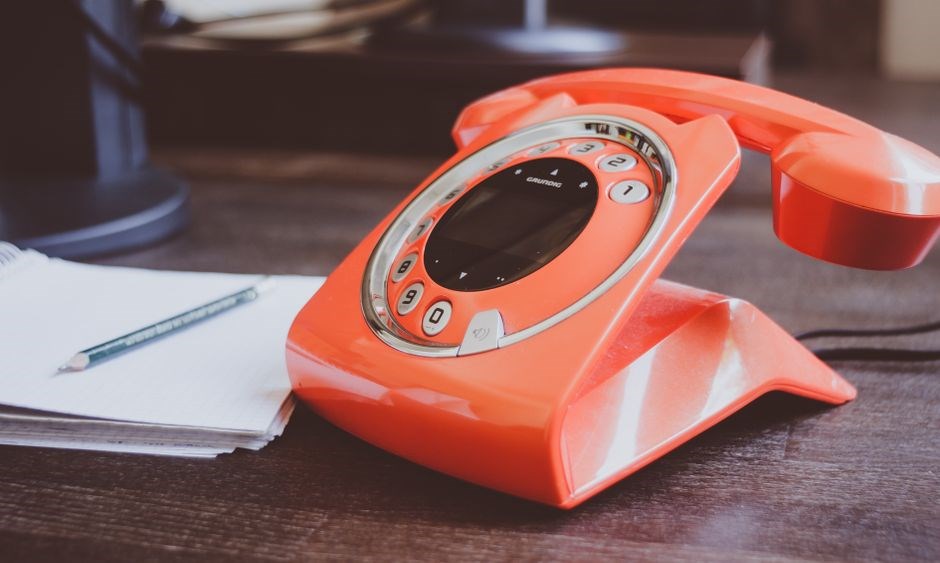
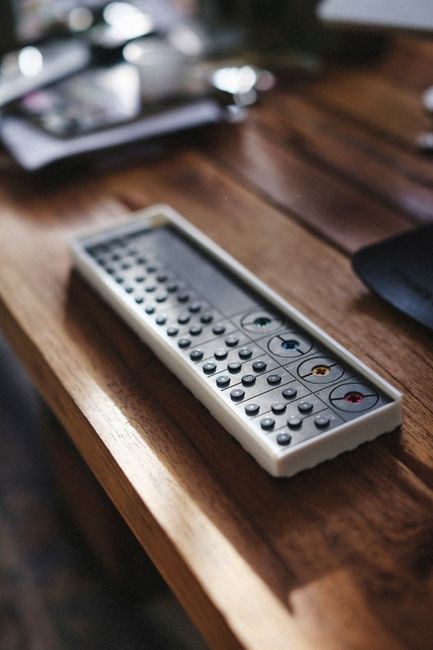
The Merlinhome Transmitter is a lightweight, rectangular unit measuring approximately 6.5 cm by 4 cm, designed for easy placement on the patient’s chest. It features a durable ABS housing with a matte finish, a single power button on the front, and a small LED status panel that displays connection and battery indicators. The device includes a 3.5 mm audio jack for optional ear‑bud monitoring, a micro‑USB port for firmware updates, and a dedicated slot for a removable 3 V coin‑cell battery. The transmitter’s internal circuitry houses a low‑power microcontroller, a 2.4 GHz RF transceiver, and a GSM module that supports 2G/3G/4G networks; A small, integrated antenna is positioned on the rear panel, allowing the unit to maintain a stable link with the cellular adapter or broadband kit. The transmitter’s firmware is modular, enabling automatic, scheduled, or manual data uploads, and it supports secure encryption protocols (AES‑128) to protect patient information during transmission. The unit is powered by a single, replaceable battery, which provides up to 12 hours of continuous operation, and the device includes a low‑battery warning that triggers an audible beep and a flashing LED. The transmitter’s physical design prioritizes patient comfort, with rounded edges and a non‑slip surface that prevents accidental detachment from the skin. The unit is CE‑certified and meets all relevant safety standards for medical devices, ensuring reliable performance in a clinical setting.
Users can also connect the transmitter to a mobile phone via Bluetooth for temporary data transfer, but the primary mode remains cellular or broadband for continuous monitoring. Firmware updates are seamless and secure.
Setup and Initial Configuration
Begin by inserting the battery, then connect the cellular adapter; Press the power button for 1 second until the LED blinks. Follow the on‑screen prompts to register your clinic ID. Once the tower icon lights, the transmitter is ready. Place it on the left chest and confirm signal strength now!
Powering the Transmitter
To power the Merlinhome Transmitter, first ensure the device is fully charged or connected to a reliable power source. The transmitter features a dedicated power button located on the front panel. Press and hold this button for one second; a soft click confirms activation. The device will emit a brief audible tone and the status LED will flash green, indicating successful power‑up. If the transmitter is battery‑operated, insert the supplied rechargeable battery into the compartment, aligning the contacts correctly. The battery compartment is sealed with a latch that must be securely closed to prevent leakage. When using an external power adapter, connect the adapter’s USB cable to the transmitter’s micro‑USB port and plug the other end into a wall outlet or a USB power bank. The transmitter’s power indicator will shift from amber to steady green once it detects adequate voltage. In case of low battery, the LED will flash amber; the transmitter will automatically enter a low‑power mode to conserve charge. To restore full functionality, replace the battery or reconnect the adapter. Always verify that the power indicator remains green before proceeding to the next configuration step. If the LED fails to light, check the battery contacts, adapter connection, and ensure the device is not in sleep mode. The transmitter will not initiate data transmission until it confirms a stable power supply. This initial power‑up sequence is critical for establishing a secure link with the cellular network or broadband kit, enabling subsequent data collection and transmission to the clinic. Proper powering ensures reliable operation and prevents data loss during critical monitoring sessions. The transmitter’s power management system monitors voltage levels continuously and will issue a warning tone if the battery falls below 20% capacity. Users are advised to replace the battery within 48 hours of reaching this threshold to maintain uninterrupted monitoring. The device’s firmware supports dual‑mode power input, allowing seamless switching between battery and adapter without manual reset. During the initial boot, the transmitter performs a self‑diagnostic routine that checks internal memory, radio modules, and sensor interfaces. Successful completion is indicated by a single green LED flash. Any error during this routine will trigger a red LED blink, prompting the user to consult the troubleshooting guide. After power is confirmed, the transmitter automatically searches for the nearest cellular tower or Wi‑Fi access point, establishing a secure connection to the clinic’s server. This connection is encrypted using industry‑standard protocols to protect patient data. Once the link is active, the transmitter is ready to receive commands for automatic, scheduled, or manual data transmissions. Proper powering is therefore the foundation for all subsequent operations and ensures compliance with regulatory standards for medical device safety and data integrity. Additionally, the transmitter’s power button can be used to toggle between power‑saving mode and full‑power mode. In power‑saving mode, the device reduces radio transmission frequency to conserve battery life, while still maintaining essential monitoring functions. Users can activate this mode by pressing the button twice within a two‑second window. The status LED will change from steady green to a slow pulsing amber, indicating reduced power usage. When full power is required, a single press restores the green steady light. This feature is particularly useful for patients who travel frequently or have limited access to charging facilities. The transmitter’s power management also logs battery usage statistics, which can be reviewed during clinic visits or via the remote care portal. These logs help clinicians assess device performance and plan for timely battery replacements or firmware updates. By following the outlined powering steps, users can ensure that the Merlinhome Transmitter operates reliably, providing continuous, secure data transmission for optimal patient care.
Connecting to Cellular Adapter or Broadband Kit
To connect the Merlinhome Transmitter to a cellular adapter or broadband kit, locate the USB port on the back of the device. Insert the supplied USB cable into the port and attach the other end to the adapter’s power supply or the Wi‑Fi dongle. Once connected, the transmitter’s status LED will flash amber while searching for a network; a green LED indicates a successful connection. If the LED stays amber for more than 30 seconds, press the reset button on the side of the transmitter for three seconds to restart the search. The firmware will then re‑authenticate with the clinic’s secure server. During this process you may hear a brief beep and see a temporary red LED flash. After authentication, the LED settles into a steady green, confirming readiness to transmit data. The transmitter supports dual‑mode operation; if both cellular and broadband are available, it prioritizes cellular for redundancy. Users can switch modes by pressing the mode button twice within a two‑second interval, toggling the status LED between green (cellular) and blue (broadband). The device logs connection attempts and errors in its internal memory, accessible via the rem portal. Keep the adapter or dongle within the recommended range of the nearest cellular tower or Wi‑Fi router to ensure continuous connectivity. If moved, repeat the connection steps to re‑establish the link; Proper setup guarantees that all automatic, scheduled, and manual data transmissions are sent reliably to the clinic, enabling timely clinical review and intervention now.!!
Data Transmission Modes
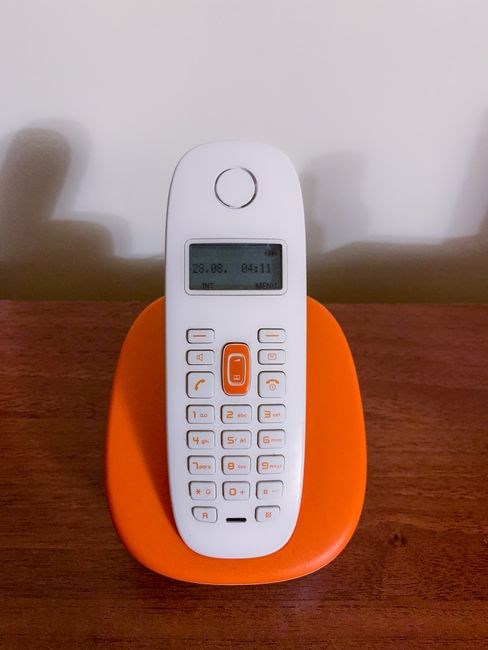
The Merlinhome Transmitter offers three data transmission modes: automatic, scheduled, and manual. Automatic mode sends data whenever the device detects a change. Scheduled mode allows users to set specific times for transmission. Manual mode requires the user to press the button to initiate a session.
Automatic Transmission
When the Merlinhome Transmitter is in automatic mode, it continuously monitors the implanted cardiac device for any changes in rhythm, pacing, or device status. As soon as a significant event is detected—such as a ventricular arrhythmia, a pacing failure, or a battery depletion warning—the transmitter immediately initiates a data‑transfer session. The device first establishes a secure connection through the cellular adapter or broadband kit, then encrypts the data packet and sends it to the designated clinic server. The transmission is acknowledged by a brief audible tone and a green “Tower” icon that lights up on the transmitter’s front panel. If the connection is temporarily unavailable, the transmitter queues the data and retries until a successful link is re‑established. Users can view the status of automatic transmissions in the accompanying mobile app, which displays timestamps, event types, and transmission success rates. This mode ensures that critical information reaches the clinician without delay, enabling timely remote monitoring.
Patients should verify that the transmitter’s battery indicator shows sufficient charge before each session. The device automatically switches to low‑power mode when idle, extending battery life. Firmware updates are delivered over the air during automatic transmissions, ensuring the transmitter remains compliant with the latest safety standards. The system logs every transmission attempt, allowing clinicians to audit data flow and troubleshoot intermittent connectivity issues. In addition, the automatic mode can be disabled via the mobile app if the patient prefers manual control or if the cellular network is unreliable in their area. Thanks!!!
Scheduled Transmission
Scheduling allows patients to set specific times for the transmitter to pull data from the implanted device and send it to the clinic. Using the companion mobile application, users can choose a daily or weekly schedule, selecting hours that fit their routine. Once a schedule is saved, the transmitter automatically wakes from low‑power mode at the designated time, establishes a secure link via the cellular adapter or broadband kit, and initiates a data‑transfer session. The device displays a brief “Tower” icon to confirm connection, then encrypts the data packet and sends it to the clinic server. If the connection fails, the transmitter retries up to three times before logging the failure and resuming normal operation. Scheduled transmissions are ideal for patients who prefer predictable data uploads, reducing the need for manual intervention. The mobile app records each session’s timestamp, data size, and transmission status, allowing both patient and clinician to review performance. Firmware updates are delivered during scheduled sessions, ensuring the transmitter remains current without interrupting the patient’s routine. Patients should keep the transmitter’s battery level above 20% before each scheduled session to avoid interruptions. The system also supports a “quiet mode” that suppresses audible beeps during scheduled uploads, making the process unobtrusive. Overall, scheduled transmission offers a convenient, reliable method for continuous remote monitoring. Patients are encouraged to verify the transmitter’s battery level before each scheduled session and Firmware updates keep transmitter current now.
Manual Transmission
Manual transmission is initiated by pressing the Start button on the transmitter for one second. The device then powers up, establishes a secure link with the cellular adapter or broadband kit, and begins a data‑transfer session. A brief “Tower” icon appears to confirm connection, followed by a “Stars” icon that indicates successful data upload. The transmitter encrypts the collected information and sends it to the clinic server. If the connection is lost, the device retries up to three times before logging a failure. Users can view the session status and data size in the companion mobile app, which records timestamps for each manual session. The transmitter’s battery level is displayed on the app; users should keep it above 20% to avoid interruptions. Firmware updates are automatically downloaded during manual sessions, ensuring the device remains current. The device also supports a quiet mode that suppresses audible beeps, making manual uploads discreet. Patients are advised to perform manual transmissions when they need immediate data or when scheduled sessions are unavailable. The process is straightforward, reliable, and provides clinicians with up‑to‑date information for timely decision‑making. Thanks.
During a manual session, the transmitter shows diagnostic icons for signal strength and data integrity. If the Tower icon fails, check adapter seating and SIM card. Successful uploads return the transmitter to low‑power mode, conserving battery. All good. OK. All set. Ready. Go. Done.OK.
Unscheduled Transmission and Emergency Sessions
When a patient experiences a sudden change in symptoms or the implanted device reports an abnormal event, the Merlinhome Transmitter can be activated immediately for an unscheduled transmission; The user simply presses the Start button, and the device initiates a secure data‑transfer session without waiting for the next scheduled interval. The transmitter automatically prioritizes the emergency data, ensuring it reaches the clinic first. The system logs the event type, timestamp, and device status, providing clinicians with real‑time context. The device’s firmware is designed to handle multiple simultaneous sessions, so an unscheduled upload will not interfere with scheduled or automatic transmissions. After the emergency data is sent, the transmitter returns to standby mode, preserving battery life. Patients are instructed to keep the transmitter charged and to perform unscheduled sessions only when clinically indicated. The remote care team monitors incoming emergency data and can initiate a follow‑up call or arrange an in‑person visit. This feature enhances patient safety by allowing rapid response to device alerts and reduces the risk of untreated arrhythmias or other complications. The transmitter’s user interface displays a clear “Emergency” icon during the session, and the companion app records the event for later review. By enabling unscheduled transmissions, clinicians gain immediate insight into the patient’s cardiac status, facilitating timely therapeutic decisions and improving overall care outcomes. Patients should only perform unscheduled sessions when clinically indicated promptly.

Receiving Data at the Clinic
When the Merlinhome Transmitter completes a transmission, the data is received by the clinic’s secure server via the cellular or broadband connection. The clinic’s monitoring software automatically imports the packet, verifies its integrity, and associates it with the patient’s electronic health record. A notification is generated for the cardiology team, indicating a new data set is available for review. Clinicians can view the device’s telemetry, battery status, and any alerts in real time through the web‑based dashboard. The system logs the time stamp, transmission mode (automatic, scheduled, or unscheduled), and the transmitter’s battery level for audit purposes. If the data packet contains an abnormal event, the software flags it and prompts the clinician to assess the need for intervention. The clinic staff can also schedule a follow‑up transmission or request an emergency upload from the patient if additional information is required. All data transmissions are encrypted end‑to‑end, ensuring compliance with HIPAA and other privacy regulations. The clinic’s IT team monitors the server’s health, performs routine backups, and manages firmware updates for the Merlinhome system. In case of a transmission failure, the software alerts the clinic and the patient, advising a retry or a manual session. This streamlined workflow allows clinicians to make timely decisions based on the most current information from the patient’s implanted device. The system also provides a detailed audit trail, enabling clinicians to track data integrity over time. Additionally, the platform supports integration with electronic health record systems, ensuring seamless data flow. Patients receive confirmation of successful uploads, enhancing trust in remote monitoring and improving patient engagement.
Remote Care Contact and Technical Support
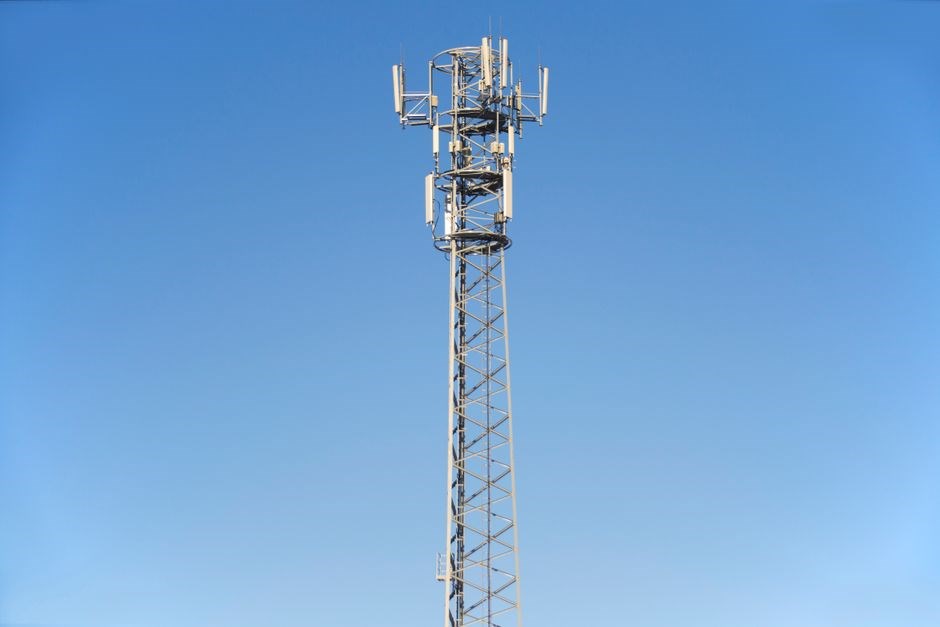
Patients and clinicians can contact the Merlinhome Remote Care team via 24/7 toll‑free number 1‑800‑555‑1234, email support@merlinhome.com, or the portal chat. Callers provide their patient ID and transmitter serial to quickly locate the account. Certified technicians troubleshoot common issues—battery low, connectivity loss, firmware mismatch—using a step‑by‑step flowchart that checks signal strength, adapter connection, and resets the transmitter. Software updates are guided through a secure download, ensuring firmware stays current. For hardware failures, the team arranges a replacement transmitter by mail, supplying a prepaid shipping label and return envelope. All interactions are logged in the patient’s electronic record, and a follow‑up call confirms resolution. The Remote Care team also hosts webinars and updates the FAQ on the portal, covering battery management, troubleshooting tips, and data interpretation. Patients may use the portal’s “Ask a Question” feature, which routes inquiries to the appropriate specialist—cardiologist, nurse practitioner, or technical support. The team collaborates with the clinic’s IT department to monitor network performance and preemptively address connectivity issues. By offering multiple, accessible support channels, Merlinhome ensures patients receive timely assistance, maintaining continuous monitoring and optimal care. Patients are encouraged to report any irregularities promptly, allowing the team to intervene before complications arise. The Remote Care team also provides guidance on transmitter battery replacement schedules and best practices for maintaining signal quality during travel. Regular updates keep users informed about new features and security patches. Stay connected today.

Safety Precautions and Contraindications
Before using the Merlinhome transmitter, review all safety instructions and contraindications; The device is safe for most patients with implantable cardioverter‑defibrillators (ICDs) and pacemakers, but certain conditions require caution. Do not use the transmitter if you have a known allergy to the battery material or any component. Avoid placing the transmitter near metal objects that could interfere with signal transmission. The transmitter is not intended for use in patients who are pregnant or nursing unless the benefits outweigh the risks, as the device emits low‑level radiofrequency signals. If you experience any discomfort, skin irritation, or unusual sensations near the transmitter, discontinue use and contact the Remote Care team immediately. Contraindications include active infection at the transmitter site, severe skin conditions, or any implanted device that is incompatible with radiofrequency transmission. The transmitter is not intended for use in patients with a history of severe allergic reactions to implanted medical devices. Always keep the transmitter’s battery fully charged and replace it according to the manufacturer’s schedule. Store transmitter in dry place not in use. Follow the manufacturer’s instructions for cleaning and storage to prevent contamination. If you have any doubts about the safety of the transmitter, consult your cardiologist or the Remote Care support team before use. Adhering to these precautions ensures reliable data transmission and protects patient safety.
Troubleshooting Common Issues
When the Merlinhome transmitter fails to transmit data, first verify that the device is powered on and the battery is charged. If the transmitter does not display the Tower icon, check the cellular adapter or broadband kit for loose connections and ensure the SIM card is active. A blinking “Stars” icon indicates a successful link; if it remains off, reset the transmitter by holding the Start button for 5 seconds until the device reboots. For intermittent connectivity, move the transmitter to a location with better signal reception, away from metal or electronic interference. If the device reports “No Data” after a scheduled session, confirm that the implantable device is functioning and that the patient has not recently undergone a procedure that may have altered device settings. A “Low Battery” warning means the transmitter’s internal battery is below 20 %; replace the battery or recharge according to the user manual. In cases of “Transmission Error,” clear the transmitter’s memory by selecting the “Erase” option in the menu, then restart the device. Persistent errors should be reported to Remote Care support via the contact number on the back of the unit. For manual transmission failures, ensure the Start button is pressed for at least 1 second and that the transmitter’s LED lights up. If the LED does not flash, inspect the power cord and connector for damage. If the transmitter fails to connect, check antenna placement and ensure the SIM card is active. Finally, if the transmitter shows a “Firmware Update” status, download the latest firmware from the manufacturer’s website and install it following the provided instructions. Adhering to these steps typically resolves most operational issues.
FAQ and Common User Questions
Q1: How do I power the Merlinhome transmitter? A: Connect the supplied power cord to a 5‑V USB port or use the included battery pack. The device will indicate power status with a green LED.
Q2: What should I do if the transmitter does not connect to the clinic? A: Verify the SIM card is active, ensure the cellular adapter is seated correctly, and move the unit to an area with better signal. If the Tower icon remains dark, reset the transmitter by holding the Start button for 5 seconds.
Q3: Can I manually trigger a data upload? A: Yes, press the Start button for at least 1 second; the transmitter will transmit immediately and the Stars icon will flash.
Q4: How often does automatic transmission occur? A: The device sends data every 24 hours by default; this interval can be adjusted in the settings menu;
Q8: How do I reset the transmitter? A: Hold the Start button for 5 seconds now!.
Q9: Can I use the transmitter without a cellular adapter? A: No, the transmitter requires either a cellular adapter or a broadband kit to communicate with the clinic.
Q10: Where can I find detailed troubleshooting steps? A: Refer to the user manual included with the device or visit the official support portal for step‑by‑step guidance.