
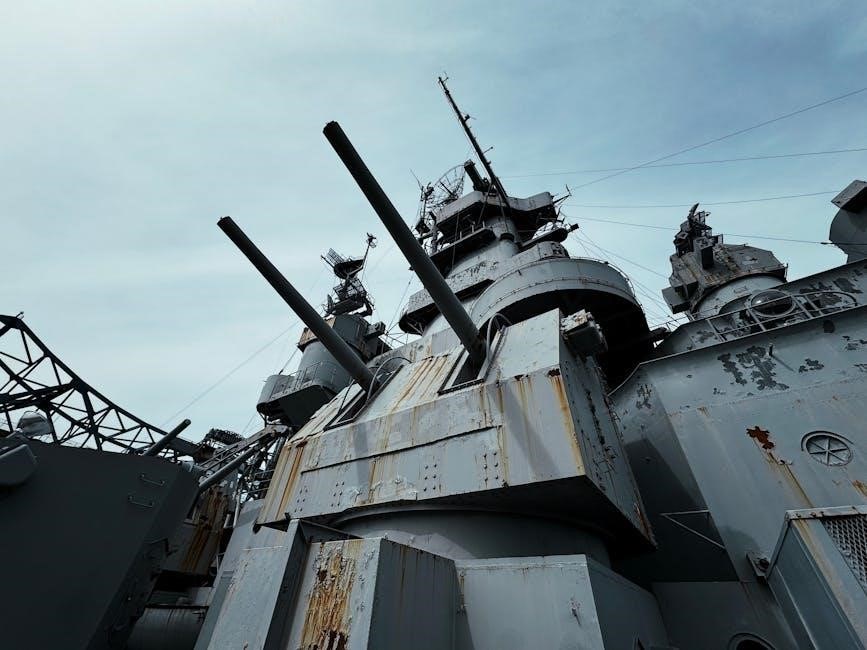
Navy Deployment Start Guide: A Comprehensive Overview
Naval deployments are cyclical, extending beyond time at sea, encompassing preparation, separation, return, and adjustment phases for service members and their families alike.
Understanding the Deployment Cycle
The naval deployment process isn’t simply the period a ship or unit is away; it’s a comprehensive cycle with distinct phases impacting both the service member and their family; This cycle begins well before departure and continues long after homecoming, representing a period of growth and adaptation.
Recognized phases include pre-deployment, deployment, post-deployment, and reintegration. Each warfare community – aviation, submarine, surface, expeditionary, and special forces – experiences this cycle uniquely, though the core process remains consistent. Importantly, the cycle is progressive; you don’t return to a previous phase, but rather evolve through each stage.
Understanding this cyclical nature is crucial for preparedness and resilience. Recognizing the upcoming demands and potential challenges within each phase allows for proactive planning and support, ultimately strengthening both the individual and the family unit throughout the entire deployment experience.

Phase 1: Pre-Deployment – Preparation is Key

Commands intensify training and operations during pre-deployment, increasing tempo with equipment testing and exercises, creating uncertainty and stress for families.
Financial Preparedness Before Deployment
Prior to deployment, a thorough review of your financial situation is crucial for peace of mind. Begin by creating a detailed budget outlining income and expenses, anticipating potential changes during the separation.
Ensure all bills are set up for automatic payment to avoid late fees and maintain good credit. Explore options for temporary adjustments to financial plans, such as reducing discretionary spending.
Families should understand available allowances and benefits, including the Family Separation Allowance (FSA). Consider establishing a savings account specifically for deployment-related expenses or unexpected needs.
Review insurance policies – life, health, and auto – to ensure adequate coverage. Finally, discuss financial responsibilities and access to accounts with your spouse or designated power of attorney.
Legal Considerations: Wills, Power of Attorney
Before deployment, addressing legal matters is paramount for protecting your interests and ensuring your family’s well-being. A current will is essential, clearly outlining asset distribution and guardianship of minor children.
Equally important is a Durable Power of Attorney (DPOA), granting a trusted individual the authority to manage your financial and legal affairs during your absence. This includes paying bills, handling property transactions, and making healthcare decisions if you are unable to do so.
Consider a Special Power of Attorney for specific tasks. Consult with a legal assistance office or civilian attorney to ensure all documents are legally sound and compliant with applicable laws.
Keep copies of these documents readily accessible to your designated representative and family members, and inform them of their responsibilities.
Family Care Plan Development
A comprehensive Family Care Plan (FCP) is crucial for service members with dependents, ensuring their well-being during deployment. This plan details how your family will manage financially, medically, and emotionally in your absence.
Identify a reliable caregiver who can provide support, including childcare, transportation, and household management. Document all arrangements, including contact information, emergency procedures, and financial resources.
Address potential challenges like school events, medical appointments, and unexpected emergencies. Ensure the caregiver understands your wishes and has the authority to act on your behalf.
Regularly review and update the FCP to reflect changing circumstances. Communicate the plan clearly with all involved parties, fostering a sense of security and preparedness.
Communication Strategies During Work-Ups
The pre-deployment “work-up” period, characterized by increased operational tempo and frequent absences, presents unique communication challenges. Proactive and flexible strategies are essential for maintaining family connection during this stressful time.
Establish realistic expectations regarding communication frequency, acknowledging potential limitations due to training schedules. Utilize various communication methods – calls, texts, emails, video chats – adapting to availability.
Schedule dedicated “family time” whenever possible, even if brief, to prioritize quality interactions. Openly discuss anxieties and concerns, fostering a supportive environment.
Embrace flexibility and understanding, recognizing that work-up schedules are often unpredictable. Focus on maintaining emotional closeness despite physical distance, building resilience for the deployment ahead.

Phase 2: Deployment – Maintaining Connection & Well-being
During deployment, focus shifts to mission execution for service members, while families adjust to absence, requiring sustained connection and proactive well-being strategies.
Maintaining Communication with Loved Ones
Consistent communication is vital during deployment, though challenges exist due to operational constraints and time differences. Leveraging available technology – email, video calls, and social media – can bridge the distance, fostering emotional closeness. However, understanding that communication may be sporadic is crucial for managing expectations.
Families should establish realistic communication schedules, acknowledging potential disruptions. Pre-deployment discussions about preferred methods and frequency can minimize misunderstandings. Letters and care packages remain meaningful gestures, offering tangible connections.
It’s important to remember that sharing details about the deployment itself may be limited due to operational security (OPSEC). Focusing on daily life and personal experiences can maintain a sense of normalcy and shared connection, strengthening bonds despite the physical separation. Prioritizing quality over quantity in communication is key.
Managing Emotional Challenges During Deployment
Deployment triggers a range of emotions – anxiety, loneliness, sadness, and even anger – for both service members and their families. Acknowledging these feelings is the first step towards healthy coping. Service members should utilize onboard resources like chaplains and mental health professionals to address stress and maintain well-being.
Families back home may experience similar emotional turmoil, compounded by increased responsibilities and worry. Seeking support from family, friends, or support groups is essential. Maintaining routines, engaging in hobbies, and prioritizing self-care can provide stability and reduce stress.
Open communication about feelings, even difficult ones, is crucial. Recognizing that emotional challenges are normal and seeking help when needed demonstrates strength, not weakness. Remember, resilience is built through navigating these difficulties.
Resources for Family Support During Deployment
Numerous resources exist to support Navy families throughout a deployment. The Fleet and Family Support Centers (FFSCs) offer vital assistance, including counseling, financial management guidance, and deployment readiness workshops. CNIC’s Family Readiness Program connects families with unit-level support and information.
Military OneSource provides 24/7 confidential counseling, financial advice, and resources for various life challenges. The Navy-Marine Corps Relief Society offers financial assistance, emergency aid, and educational programs. Online platforms and support groups connect families facing similar experiences, fostering a sense of community.
Don’t hesitate to utilize these resources; they are designed to ease the burdens of deployment and strengthen family resilience. Proactive engagement with these support systems can significantly improve well-being during this challenging time.
Understanding Operational Security (OPSEC)
Maintaining Operational Security (OPSEC) is crucial during deployment to protect personnel, missions, and national security. This involves safeguarding sensitive information from falling into the wrong hands, both online and offline. Avoid discussing deployment details, locations, or schedules on social media or with unauthorized individuals.
Be mindful of what you post online – seemingly harmless information can be pieced together to reveal critical details. Secure personal communications and be cautious about sharing information over unsecured networks. Family members play a vital role in OPSEC by understanding these guidelines and reinforcing them.
Remember, protecting information is a collective responsibility. Strict adherence to OPSEC protocols helps ensure the safety and success of deployed forces.

Phase 3: Post-Deployment – The Return and Adjustment
The post-deployment phase marks the return of service members, requiring adjustment for both them and their families to a new normal and expectations.
Initial Homecoming & Expectations
The initial homecoming is a significant milestone, yet often accompanied by unrealistic expectations from both the returning service member and their family; It’s crucial to understand that reintegration isn’t instantaneous; a period of adjustment is entirely normal and necessary. Families should anticipate changes in routines and dynamics, and avoid immediately overloading the service member with responsibilities or attempting to “catch them up” on everything that happened during their absence.
Service members, too, should prepare for a different home environment and potential difficulty readjusting to civilian life. Patience and open communication are paramount. Expecting immediate comfort or a seamless transition can lead to frustration. Instead, focus on reconnecting gradually, prioritizing quality time, and acknowledging the challenges both parties may be facing. Remember, homecoming is the start of reintegration, not its completion.
Recognizing Potential Post-Deployment Challenges
Post-deployment presents a unique set of challenges for both service members and their families, extending beyond the initial joy of reunion. Service members may experience difficulties readjusting to civilian life, including symptoms of Post-Traumatic Stress (PTSD), depression, or anxiety, even without direct combat exposure. Changes in behavior, sleep disturbances, and emotional detachment are potential indicators requiring attention.
Families may also face challenges, such as adjusting to the service member’s changed personality or coping with unresolved issues that surfaced during the deployment. Increased conflict, communication breakdowns, and feelings of isolation are common. Recognizing these potential difficulties early is crucial for seeking appropriate support and preventing long-term issues. Proactive awareness and open dialogue are key to navigating this complex transition.
Seeking Support for Reintegration
Successful reintegration requires actively seeking and utilizing available resources for both service members and their families. The Navy offers numerous programs, including Fleet and Family Support Centers (FFSCs), providing counseling, financial assistance, and educational workshops. Mental health professionals specializing in military transitions are readily accessible through TRICARE and the Department of Veterans Affairs.
Peer support groups can offer a safe space to share experiences and learn coping strategies. Family members should explore resources like the Military OneSource and CNIC Family Readiness programs. Don’t hesitate to reach out to chaplains or trusted mentors. Early intervention is vital; addressing challenges promptly can prevent escalation and foster a smoother, healthier adjustment period for everyone involved.

Phase 4: Reintegration – Building a New Normal

Reintegration isn’t a return to the past, but forging a “new normal” – a process of mutual readjustment, communication, and rebuilding connections within the family.
Couple’s Reintegration & Communication
Reintegration profoundly impacts couples, requiring intentional effort to reconnect and rediscover shared intimacy after a deployment’s disruption. Open and honest communication is paramount; both partners must share their experiences, feelings, and expectations without judgment. It’s crucial to acknowledge that both individuals have changed during the separation, and understanding these shifts is vital.
Expect initial awkwardness or misunderstandings as you navigate re-establishing routines and intimacy. Active listening, empathy, and patience are essential tools. Couples may benefit from dedicated quality time, free from distractions, to rebuild their emotional bond. Seeking professional counseling can provide a safe space to address complex issues and develop healthy communication strategies, fostering a stronger, more resilient partnership post-deployment.

Addressing Potential Behavioral Changes
Deployment experiences can lead to behavioral changes in service members, manifesting as irritability, withdrawal, increased anger, or difficulty sleeping. These aren’t signs of weakness, but rather normal reactions to stressful and potentially traumatic events. Recognizing these changes is the first step towards support and understanding.
Families should approach these shifts with empathy and patience, avoiding blame or judgment. Encourage open communication, creating a safe space for the service member to share their feelings. Professional help, such as counseling or therapy, can be invaluable in processing experiences and developing coping mechanisms. It’s vital to remember that healing takes time, and consistent support is crucial for long-term adjustment and well-being.
Long-Term Family Adjustment & Resilience
Successful reintegration isn’t a destination, but an ongoing process of adaptation and growth for the entire family. Building resilience requires consistent effort, open communication, and a willingness to embrace the “new normal.” Families may discover altered roles, shifting dynamics, and evolving expectations post-deployment.
Prioritizing quality time together, rediscovering shared interests, and establishing new routines are essential. Seeking ongoing support through family counseling or support groups can provide valuable tools and perspectives. Remember that each deployment experience contributes to collective learning and strengthens the family’s ability to navigate future challenges, fostering a deeper sense of connection and enduring resilience.