
Hog Guide Service: A Comprehensive Overview (Updated 02/11/2026)
Hog guide services are gaining traction, evidenced by enthusiastic reviews and YouTube content showcasing successful hunts with groups harvesting multiple hogs.
What is a Hog Guide Service?
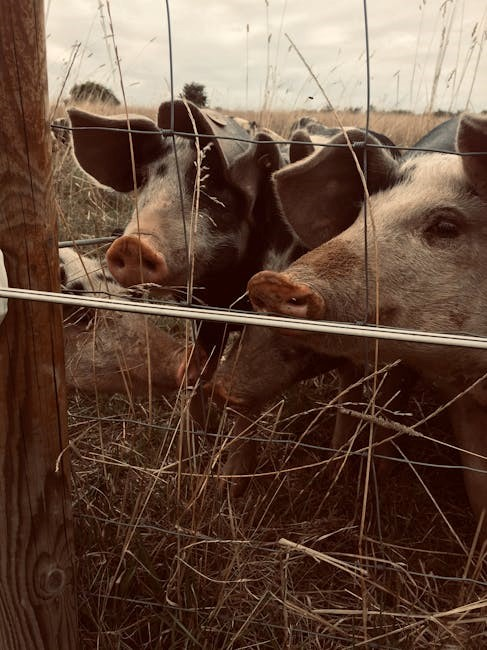
Hog guide services function as professional outfitting operations specializing in organized hog hunts. They provide hunters with access to private lands teeming with feral hogs, often coupled with expert guidance to maximize hunting success. These services cater to a diverse clientele, ranging from seasoned hunters seeking challenging pursuits to novices desiring a structured introduction to the sport.
A key component is the local knowledge possessed by experienced guides, who understand hog behavior, preferred habitats, and effective hunting strategies. Services frequently encompass daytime and nighttime hunts, utilizing various techniques like spot and stalk, or employing trained dogs to locate and retrieve hogs. Furthermore, many guides offer assistance with hog processing, ensuring a seamless experience from the hunt to harvest. Client testimonials highlight excellent staff, knowledgeable guides, and successful hunts.
The Rising Popularity of Hog Hunting
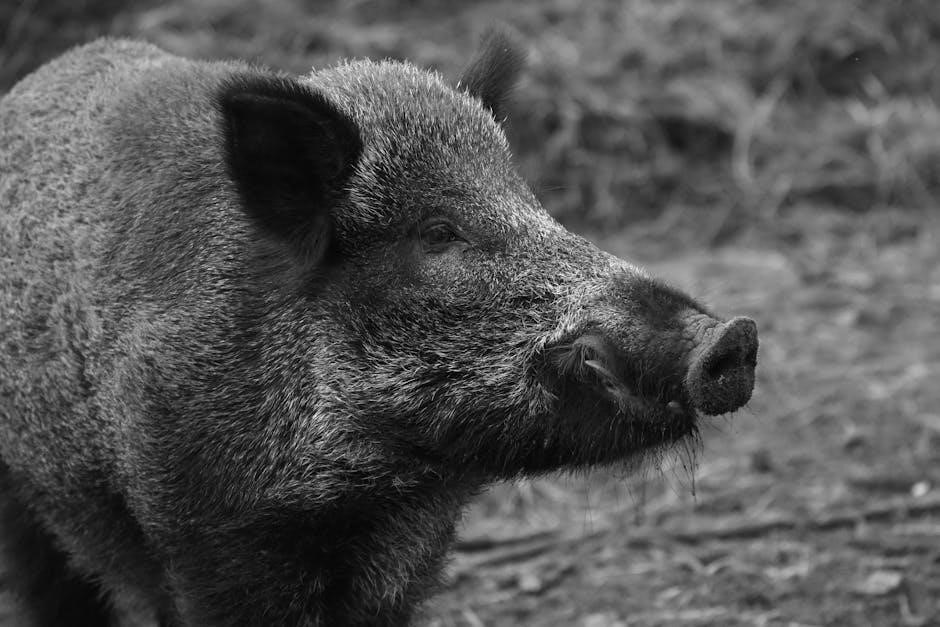
Hog hunting’s increasing popularity stems from several factors, including the destructive nature of feral hogs and the demand for sustainable population control. These invasive species cause significant agricultural and ecological damage, prompting landowners and wildlife agencies to encourage responsible harvesting. Simultaneously, hog hunting offers a thrilling outdoor experience, attracting adventure seekers and meat hunters alike.
The accessibility provided by hog guide services further fuels this trend. Services remove logistical hurdles, offering curated hunts and expert assistance. Online platforms like YouTube showcase successful hunts, generating excitement and attracting new participants. Positive client reviews and word-of-mouth referrals contribute to the growing demand, solidifying hog hunting as a popular recreational activity.
Why Use a Guided Hog Hunting Service?
Utilizing a guided hog hunting service offers significant advantages, particularly for those unfamiliar with the terrain or hog behavior. Guides possess invaluable local knowledge, maximizing hunting success. They handle logistics – scouting, access to private lands, and often, providing necessary equipment like thermal imaging – simplifying the experience for clients.
Furthermore, guides enhance safety, navigating potentially hazardous environments and ensuring responsible hunting practices. Services like Night Vision Hog Guide LLC receive praise for knowledgeable staff and excellent client care. Positive reviews highlight guides going “above and beyond,” ensuring a memorable and productive hunt. Ultimately, a guided service transforms a challenging pursuit into an enjoyable and successful adventure.
Key Services Offered by Hog Guide Services
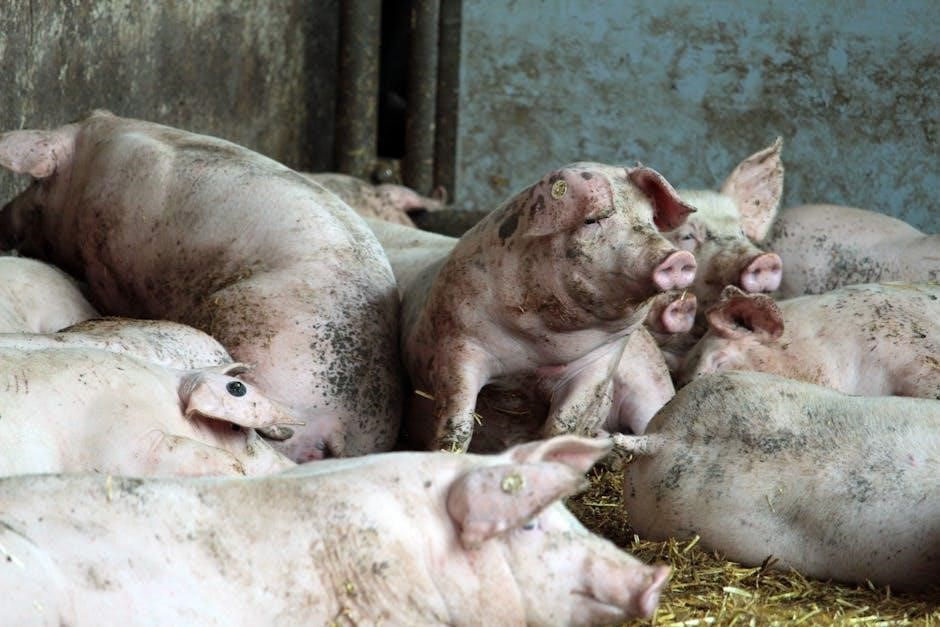
Hog guide services commonly provide daytime and nighttime guided hunts, employing spot and stalk, or dog-driven techniques, often utilizing thermal and night vision technology.
Guided Hunts – Daytime & Nighttime Options
Hog guide services excel in offering diverse hunting experiences tailored to hunter preferences and hog behavior. Daytime hunts leverage traditional tracking and stalking methods, capitalizing on the animals’ movement patterns during daylight hours. These hunts often involve careful observation, strategic positioning, and precise shooting.
However, many services also specialize in nighttime hunts, significantly increasing the chances of success. Utilizing advanced technology like thermal imaging and night vision equipment, guides can effectively locate and pursue hogs under the cover of darkness. A recent client reported a successful two-day hunt, with a group of seven taking eight pigs, highlighting the effectiveness of these nighttime options. The choice between daytime and nighttime hunts depends on factors like terrain, weather, and the hunter’s comfort level with low-light conditions.
Spot and Stalk Techniques
Spot and stalk hunting, a cornerstone of many hog guide services, demands patience, skill, and a deep understanding of hog behavior. Guides meticulously scan expansive hunting grounds, identifying hog locations from elevated positions or utilizing observation points. Once a target group is spotted, the real challenge begins – a carefully planned and executed stalk.
This involves utilizing natural cover, wind direction, and stealthy movement to close the distance without alerting the animals. Successful stalks require precise range estimation and accurate shooting. Some client reviews mention guides directing hunters to “go down the road and start walking,” suggesting a reliance on this technique. It’s a physically demanding method, requiring stamina and adaptability, but offers a rewarding and challenging hunting experience.
Dog-Driven Hog Hunts
Dog-driven hog hunts represent a dynamic and effective method employed by numerous hog guide services. Trained dogs, often baying hounds, are released to locate and pursue feral hogs, driving them towards hunters positioned in strategic locations. This technique is particularly useful in dense thickets and challenging terrain where visibility is limited.
Client testimonials frequently highlight the crucial role dogs play in successful harvests, with one review detailing a friend’s assistance with a dog to extract a hog from thick cover. The excitement and fast-paced action of a dog drive create a thrilling experience. However, it requires careful coordination between the guide, dogs, and hunters, ensuring both safety and ethical harvesting practices.
Thermal Imaging & Night Vision Equipment
Thermal imaging and night vision equipment are integral components of many modern hog guide services, particularly for nighttime hunts. These technologies allow guides and hunters to detect hogs in complete darkness, significantly increasing success rates. Night Vision Hog Guide LLC, as the name suggests, specializes in utilizing such equipment.
The ability to see heat signatures (thermal) or amplify ambient light (night vision) overcomes the challenges of low-light conditions, enabling precise shot placement and responsible harvesting. Positive client reviews often mention the effectiveness of this technology, contributing to a more productive and enjoyable hunting experience. Guides emphasize safety protocols when using these devices, ensuring responsible and ethical hunting practices throughout the night.
Factors to Consider When Choosing a Hog Guide Service
Selecting a hog guide demands careful evaluation of location, guide expertise, documented success rates, and thorough review of client testimonials for informed decisions.
Location and Hunting Grounds
The geographical location significantly impacts the quality of a hog hunting experience. Prime hunting grounds often correlate with areas experiencing substantial hog populations, frequently in states with milder climates and abundant agricultural lands. However, accessibility and the specific terrain play crucial roles. Some services may offer hunts on private ranches, ensuring exclusivity and potentially higher hog densities, while others utilize public lands.
Consider the type of terrain you prefer – open fields, dense thickets, or wooded areas. The hunting style employed by the guide will be influenced by the landscape. Furthermore, investigate the proximity of the hunting grounds to amenities like lodging and processing facilities. A convenient location can enhance the overall trip experience. Ultimately, the ideal location balances hog abundance with hunter preferences and logistical practicality.
Guide Experience and Expertise
A skilled hog guide is paramount to a successful and safe hunt. Look for guides with extensive knowledge of hog behavior, including their feeding patterns, travel routes, and preferred habitats; Experience in utilizing various hunting techniques – spot and stalk, dog-driven hunts, and utilizing technology like thermal imaging – is a strong indicator of expertise.
Inquire about the guide’s familiarity with the specific hunting grounds. Local knowledge is invaluable for locating hog concentrations. Furthermore, assess their commitment to ethical hunting practices and safety protocols. A reputable guide will prioritize responsible harvesting and ensure a secure environment for all hunters. Positive client testimonials often highlight a guide’s ability to adapt to changing conditions and provide personalized attention.
Success Rates and Harvest Numbers
While a guaranteed hog harvest is unrealistic, inquiring about a service’s historical success rates provides valuable insight. Reputable hog guide services often track harvest numbers, offering potential clients a data-driven understanding of their performance. However, remember that success is influenced by factors beyond the guide’s control, such as weather conditions and hog population fluctuations.
Focus on understanding how success is measured. Is it based on shots taken, hogs spotted, or hogs harvested? Client reviews frequently mention successful hunts with groups taking multiple hogs, indicating a higher probability of opportunity. Be wary of services making exaggerated claims; a realistic guide will present honest expectations and emphasize the challenge of hog hunting.
Client Reviews and Testimonials
Client reviews and testimonials are invaluable resources when evaluating hog guide services. Platforms like Google, specialized hunting forums, and the service’s own website often host feedback from past hunters. Pay attention to recurring themes – consistently positive comments regarding guide knowledge, helpfulness, and overall experience are strong indicators.
Specifically, look for details about the hunt itself: were hogs spotted? Was the guide responsive to client needs? Was the equipment well-maintained? Many reviews highlight excellent staff, knowledgeable guides, and successful hunts resulting in harvested hogs. YouTube content, often featuring hunt footage, provides a visual perspective. Scrutinize both positive and negative feedback, considering the context and potential biases.
Cost Breakdown: What to Expect
Expect to encounter guide fees, potential hog processing charges, customary tipping practices, and additional expenses like licenses and ammunition for your hunt.
Guide Fees – Daily Rates & Packages
Understanding the cost structure of hog guide services begins with examining guide fees, which can vary significantly. Some services, as noted in client feedback, may present a seemingly low initial fee, only for hunters to find themselves largely self-directed, essentially paying for access to land rather than active guidance.
Typically, daily rates are the standard, but packages offering multi-day hunts are frequently available. These packages often bundle services, potentially including lodging and hog processing, offering a more comprehensive – and sometimes cost-effective – experience. It’s crucial to clarify exactly what is included in any package before committing.
Furthermore, be prepared for potential discrepancies between advertised rates and the final bill, as additional fees can accumulate. Thoroughly inquire about all potential costs upfront to avoid unwelcome surprises.
Hog Processing Fees
Hog processing fees represent a significant, and often underestimated, component of the overall cost of a guided hunt. While the thrill of the harvest is paramount, transforming a field-dressed hog into usable meat requires professional processing. These fees cover services like skinning, quartering, grinding, sausage making, and potentially even smoking or curing.
Client experiences suggest these fees can substantially increase the total expense, sometimes equaling or even exceeding the daily guide fee itself. It’s vital to inquire about processing costs before the hunt, understanding exactly what services are included and their associated prices.
Some outfitters may offer in-house processing, while others partner with local butchers. Clarifying these details ensures transparency and allows hunters to budget accurately for the complete experience.
Tip Etiquette for Guides
Tipping your hog hunting guide is a customary practice, reflecting appreciation for their expertise, hard work, and contribution to a successful hunt. While not mandatory, a generous tip is a tangible way to acknowledge exceptional service. The standard tipping range typically mirrors that of other outdoor guiding professions.
Generally, 10-20% of the daily guide fee is considered appropriate, with higher percentages reserved for guides who go above and beyond. Factors influencing the tip amount include the guide’s knowledge, helpfulness, and overall effort in ensuring a positive hunting experience.
Remember, guides often rely on tips to supplement their income. A thoughtful gratuity demonstrates respect and fosters a positive relationship.
Additional Expenses (Licenses, Ammunition, etc.)
Beyond guide fees and processing costs, several additional expenses should be factored into your hog hunting budget. A valid hunting license is mandatory, with requirements varying by state and residency status. Non-residents often face higher license fees.
Ammunition is a significant cost, particularly for extended hunts or those employing high-volume shooting techniques. Consider bringing sufficient ammunition for anticipated shooting opportunities. Some outfitters may offer ammunition for purchase, but it’s often more economical to supply your own.
Transportation to and from the hunting location, as well as any required lodging, are also personal expenses. Don’t forget potential costs for shipping harvested hog meat home.
Legal and Ethical Considerations
Responsible hog harvesting requires adherence to hunting regulations, fair chase principles, and landowner respect, ensuring ethical and legal hunting practices.
Hunting Licenses and Regulations
Navigating the legal landscape of hog hunting is crucial, and a reputable hog guide service will ensure all hunters are compliant with state and local regulations. This typically involves possessing a valid hunting license, and potentially, specific permits for hog hunting, which can vary significantly by location.
Guides are responsible for clarifying these requirements for their clients before the hunt begins. Understanding tag requirements, season dates, and legal hunting hours is paramount. Furthermore, some areas may have restrictions on the types of firearms or ammunition permitted.
Ignoring these regulations can lead to hefty fines, confiscation of equipment, and even legal prosecution. A trustworthy guide prioritizes legal compliance, protecting both the hunter and the integrity of the sport. Always verify license details and regulations independently as well.
Fair Chase Principles
Ethical hog hunting, guided or otherwise, centers around fair chase principles – ensuring the animal has a reasonable opportunity to escape. While hogs are often considered an invasive species, responsible hunting practices remain vital. A quality hog guide service will prioritize ethical hunts, avoiding methods that give the hunter an undue advantage.
This means refraining from hunting hogs from vehicles or using electronic calls in areas where they are prohibited. Spot and stalk methods, or dog-driven hunts conducted responsibly, align with fair chase ideals.
Transparency from the guide regarding hunting techniques is essential. Hunters should feel confident that the hunt is conducted ethically and legally, respecting the animal and the sport itself;
Respect for Landowners
Successful hog guide services understand that access to hunting land hinges on maintaining positive relationships with landowners. Demonstrating respect for private property is paramount, extending beyond simply adhering to legal access permissions.
This includes minimizing impact on the land – avoiding damage to fences, crops, or natural habitats. Guides should ensure clients understand and follow all landowner rules and regulations, including designated hunting areas and any restrictions on vehicle use.
Open communication with landowners is key, providing updates on hunting activity and addressing any concerns promptly. A reputable guide prioritizes landowner satisfaction, recognizing their crucial role in providing hunting opportunities.
Responsible Hog Harvesting
Ethical hog guide services promote responsible harvesting practices, acknowledging the ecological impact of feral hog populations. While controlling hog numbers is often the goal, it should be done with respect for the animal and a commitment to minimizing suffering.
Guides should encourage clients to take only ethical shots, ensuring a clean and quick kill. Proper field dressing and meat care are also essential, maximizing the utilization of harvested animals and minimizing waste.
Furthermore, guides should educate clients on the importance of selective harvesting, avoiding the taking of sows with piglets whenever possible, to help manage population growth sustainably.
Reviewing Night Vision Hog Guide LLC & Similar Services
Night Vision Hog Guide LLC receives positive feedback, with clients praising knowledgeable staff, successful hunts, and excellent overall experiences documented on YouTube.
Analyzing Client Feedback & Online Reviews
Client feedback for hog guide services, particularly Night Vision Hog Guide LLC, consistently highlights successful hunts and substantial harvests – groups of seven reportedly taking eight pigs. Many reviews emphasize the staff’s exceptional knowledge, helpfulness, and dedication to ensuring a positive experience for all participants.
Online platforms, including YouTube, showcase these experiences, providing visual evidence of successful hunts and positive interactions. The consistent theme revolves around well-organized trips and guides going “above and beyond” to cater to client needs. Positive comments frequently mention the abundance of hogs and the quality of assistance provided, even extending to help with retrieving harvested animals from difficult terrain, utilizing dogs for recovery.
These reviews paint a picture of a service focused on client satisfaction and successful hog hunting adventures.
YouTube Content & Service Promotion
Hog guide services are increasingly leveraging YouTube as a powerful promotional tool. Content creators document hunts, showcasing successful harvests and the overall experience offered by companies like Night Vision Hog Guide LLC. These videos serve as compelling testimonials, visually demonstrating the excitement and effectiveness of guided hog hunts.
Beyond simple hunt footage, some channels feature puzzle-based promotional content, like the “ultimate YouTube Puzzle test,” engaging potential clients in interactive experiences. The official YouTube app itself is promoted alongside, encouraging wider viewership and accessibility.
This strategy effectively reaches a broad audience interested in hunting, outdoor adventures, and potentially booking a guided hog hunting trip, building brand awareness and driving customer engagement.
Common Themes in Positive Reviews
Positive reviews for hog guide services consistently highlight the exceptional staff and their dedication to client satisfaction. Many hunters praise the guides’ knowledge, helpfulness, and willingness to go “above and beyond” to ensure a successful and enjoyable experience. A recurring theme is the abundance of hogs harvested during hunts, with groups reporting taking multiple animals – sometimes eight or more – in just a two-day period.
Clients also appreciate pre-hunt details and assistance, including help with retrieving hogs from difficult terrain, often utilizing dogs. The overall experience is frequently described as an “absolute blast,” indicating high levels of customer enjoyment and satisfaction.
Addressing Concerns from Negative Reviews
Negative reviews sometimes mention concerns regarding the guiding approach, with some hunters feeling the guidance was minimal – essentially being directed to walk and search independently. This perception impacts value, especially when factoring in guide fees, tips, and subsequent hog processing costs, leading to a higher overall expense.
While less frequent, these criticisms suggest a potential disconnect between expectations and the delivered service. Transparency regarding the hunting method and level of active guidance beforehand could mitigate such issues. Addressing these concerns proactively, and ensuring clients understand the hunt’s structure, is crucial for maintaining a positive reputation.
Preparing for Your Hog Hunt
Essential gear, physical fitness, understanding hog behavior, and strict adherence to safety precautions are paramount for a successful and secure guided hog hunting experience.
Essential Gear and Equipment
Successful hog hunts demand careful preparation, starting with appropriate gear. A quality rifle, matched with suitable ammunition, is fundamental. Night vision or thermal imaging equipment, frequently utilized by guides like Night Vision Hog Guide LLC, significantly enhances effectiveness during nocturnal hunts.
Sturdy, waterproof boots are crucial for navigating varied terrain. Durable hunting clothing, ideally camouflage, aids in concealment. Don’t forget essential accessories: a reliable knife for field dressing, binoculars for spotting, and a headlamp for low-light conditions.
Many services recommend bringing game bags for transporting harvested hogs. Finally, consider a rangefinder to accurately assess distances, improving shot accuracy and ethical harvesting practices. Proper preparation ensures a safe and rewarding experience;
Physical Fitness and Stamina
Hog hunting, particularly with guided services emphasizing spot and stalk or dog-driven hunts, can be physically demanding. Expect periods of walking, often across uneven terrain, and potentially for extended durations. Stamina is key to maintaining focus and tracking hogs effectively.
The ability to quickly navigate thickets or assist in recovering a harvested hog, as highlighted in client experiences, requires a reasonable level of fitness. While not requiring elite athleticism, a base level of cardiovascular health and strength is beneficial.
Preparing beforehand with moderate exercise – hiking, walking, or strength training – will enhance your enjoyment and contribute to a more successful hunt. Consider the potential for dragging or carrying weight as well.
Understanding Hog Behavior
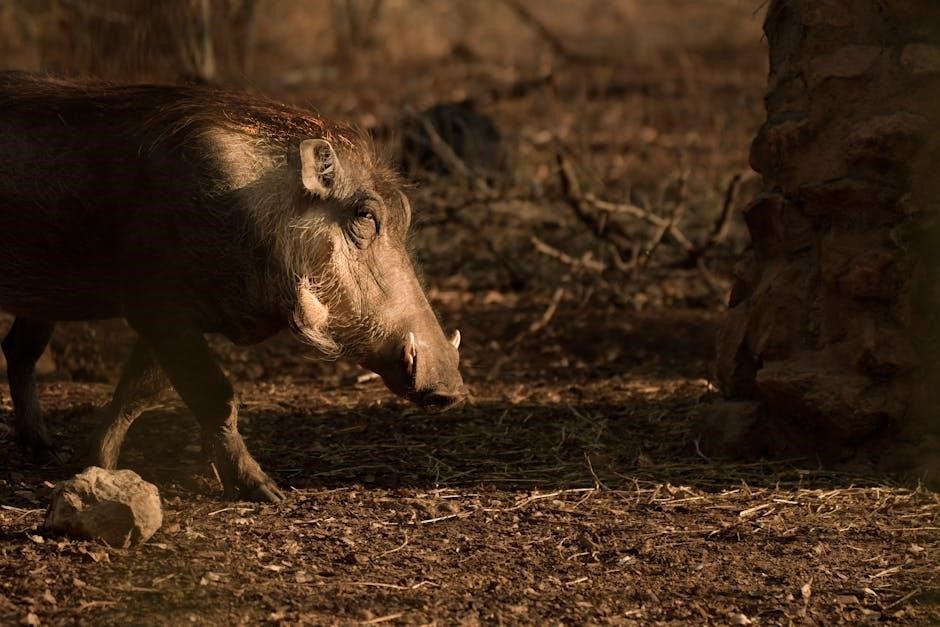
Hogs are intelligent and adaptable animals, exhibiting behaviors that influence hunting strategies. They are often most active during dawn and dusk, but can be encountered throughout the day and night, especially when pressured. Understanding their rooting habits – searching for food beneath the surface – can reveal travel corridors and feeding areas.
Knowledge of their social structure, typically living in sounders (groups), is also valuable. Experienced guides leverage this understanding to predict movement patterns and increase the likelihood of a successful encounter.
Familiarizing yourself with common hog vocalizations and scent detection capabilities will further enhance your awareness in the field, contributing to a safer and more productive hunt.
Safety Precautions in the Field
Hog hunting, particularly at night with thermal or night vision, demands strict adherence to safety protocols. Always maintain awareness of your surroundings and the location of other hunters within your group. Clear communication is paramount; establish hand signals and verbal cues before the hunt begins.
Treat every firearm as if it’s loaded, and practice proper muzzle control at all times. Be mindful of potential hazards like uneven terrain, dense vegetation, and barbed wire fences.
Guides prioritize safety, but hunters are ultimately responsible for their own actions. Following the guide’s instructions and utilizing appropriate safety gear is crucial for a secure and enjoyable experience.